

Using ChatGPT to aid in marketing for your NFP
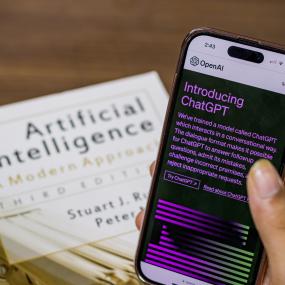
Boost your not-for-profits marketing with AI.
For many Australian not-for-profits (NFPs) and social enterprises, marketing often feels like the task that gets pushed to the end of a long Friday. Between limited budgets and small teams, finding the time to write an engaging volunteer newsletter or a compelling fundraising appeal is a constant challenge.
ChatGPT, developed by OpenAI, is a powerful tool designed to help. As a Large Language Model (LLM), it acts like a highly capable digital assistant that can draft, brainstorm, and refine your marketing materials in seconds.
At the Infoxchange, we see ChatGPT as a "force multiplier" - helping resource-constrained organisations punch above their weight and reach more supporters across the APAC region.
How ChatGPT can work for NFPs
ChatGPT is more than just a chatbot; it’s a versatile partner for your day-to-day marketing tasks.
Here are some practical ways to use it:
1. Content creation and ideas
Stop staring at a blank screen. ChatGPT can help you:
- Brainstorm: Generate 10 ideas for a blog post about National Volunteer Week.
- Draft Content: Create the first version of an article for your website or a script for a short impact video.
- Write Headlines: Generate "catchy" subject lines for your next donor email to improve open rates.
2. Social media management
Managing multiple platforms is time-consuming. You can use ChatGPT to:
- Draft Posts: Quickly create captions for Facebook, Instagram, or LinkedIn that match your brand’s "voice".
- Respond to Enquiries: Draft polite, helpful responses to common questions from your community.
3. Fundraising appeals and storytelling
Whether it’s a Winter Appeal or an EOFY campaign, ChatGPT can help you:
- Draft Persuasive Copy: Provide the key facts about your impact, and ask ChatGPT to "write a heartfelt donor appeal for our new crisis housing project."
- Personalise Letters: Create different versions of a thank-you letter for first-time donors versus long-term supporters.
4. Reaching diverse communities
For NFPs working across the diverse APAC region, ChatGPT is a valuable tool for:
- Translation: Quickly translate flyers or service information into other languages.
- Localisation: Adjust the tone of your message to be more culturally appropriate for different community groups.
5. Research and strategy
- Audience Insights: Ask ChatGPT to "act as a marketing expert" and suggest ways to engage younger donors or corporate partners.
- SEO Optimisation: Improve your website’s visibility by asking ChatGPT for keyword suggestions related to your cause.
Things to consider when using ChatGPT
While ChatGPT is incredibly capable, it’s important to use it responsibly. Here’s what to keep in mind:
- Fact-check 'Hallucinations': ChatGPT is designed to be helpful, not necessarily accurate. Sometimes it can confidently state things that are wrong known as "hallucinations". Always verify statistics and dates before publishing.
- Watch for Bias: The model is trained on internet data, which means it can unintentionally include gender, cultural, or religious stereotypes. Always review its output through an inclusive lens.
- Protect Your Data: Never put sensitive or identifiable information (like donor names or client files) into ChatGPT. Treat it like a public forum.
- The Human Touch: ChatGPT is excellent at "the first 70%," but it lacks your lived experience and heart. A staff member or volunteer should always review the final version to ensure it truly sounds like your organisation.
Budget tip: OpenAI now offers discounts for NFPs, NGOs and other nonprofits, on their "Team" and "Enterprise" versions, which provide better data privacy and collaboration tools.